
The Best TV Shows on TV Brasil
Every TV Brasil Show Ranked From Best To Worst
As of October 2026, our compilation of TV Brasil’s top-rated series boasts over 20 unique shows. Premiering in 2001 and 2005, A Turma do Pererê and Anabel are among TV Brasil’s most celebrated shows. TV Brasil’s extensive portfolio includes more than 20 shows, spanning the years from 2001 to 2026.
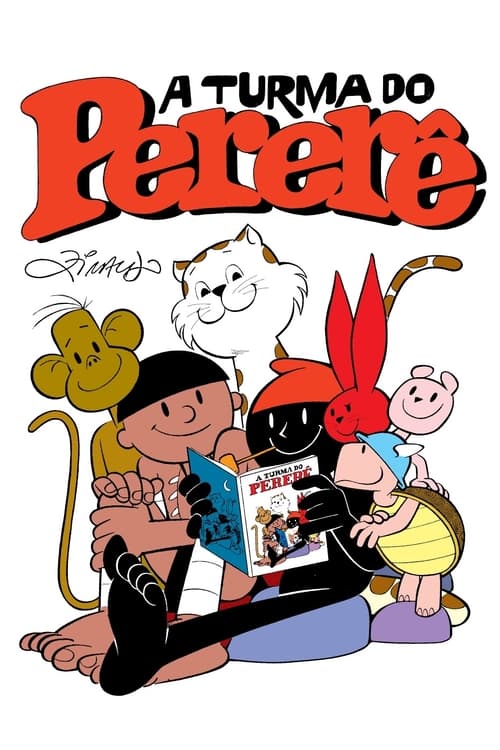 A Turma do Pererê (2001)10.0
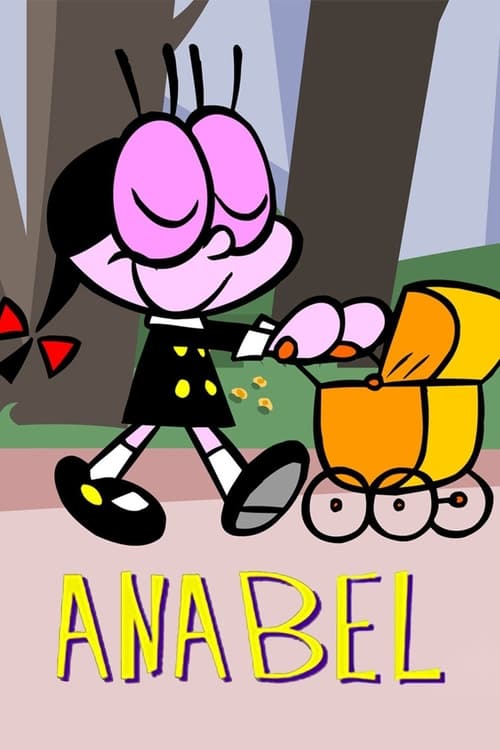 Anabel (2005)10.0
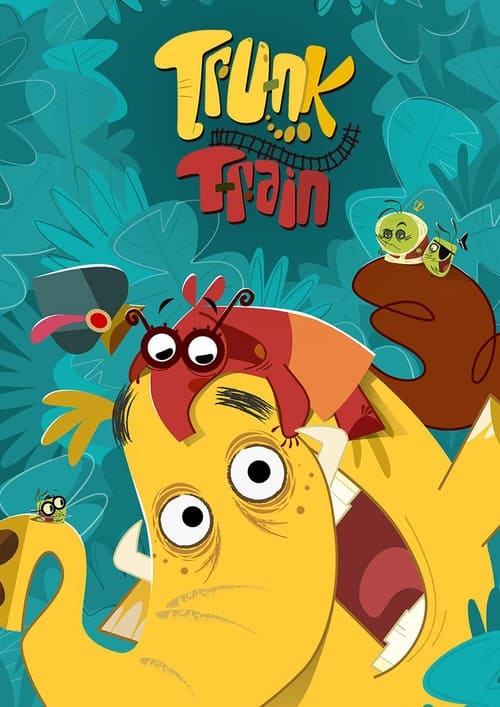 Trunk Train (2011)10.0
A forgetful elephant, a vegetarian anteater and a termite colony that believe to be aliens, travel together on a train across Latin America.
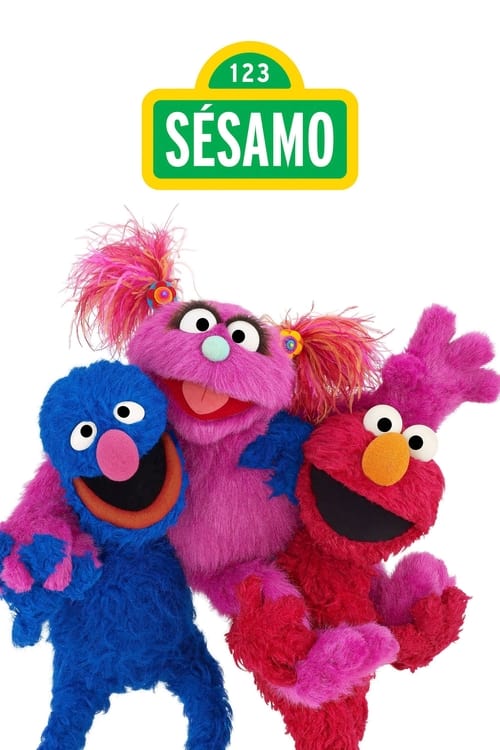 Sesame (2016)10.0
Sésamo is the second Brazilian version based on the famous North American series Sesame Street (1969–). This time, the series does not feature Garibaldo (Big Bird), the large yellow bird. However, we are reunited with the beloved characters Grover (André Milano), Come-Come (Cookie Monster, played by Paulo Henrique Santos), Bel (Thais Carvalho), Elmo (Kelly Guidotti), and Abby (Marilice Cosenza). As in the previous version, the show presents the puppets in their fun adventures, teaching the audience about various subjects in a creative way and following the daily life in the bustling village
 Se Avexe Não (2024)10.0
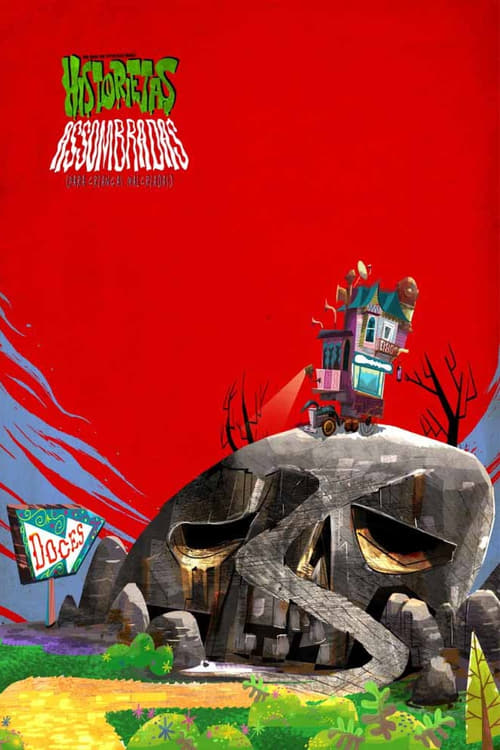 Haunted Tales for Wicked Kids (2013)8.8
The series revolves around the adventures of Pepe, a wicked boy who lives in a dark mansion with his grandmother, a witch who works selling artifacts and magic potions in the internet. She always send her grandson to deliver them. Each episode Pepe and his friends (Marilu, Roberto, Guto and Gastón) undergo supernatural adventures facing the various monsters in the city.
 República do Peru (2015)7.0
 Zica e os Camaleões (2013)5.5
 Lutas.doc (2010)N/A
Lutas.doc is a series of documentaries, with profound reflections on violence, their contexts and forms of representation in the history of Brazil. The series combines reflection density with a dynamic and accessible language. Great Brazilian thinkers, doctors of philosophy, psychology, economics, history and sociology, as Eduardo Gianneti, Olgária Mattos, Laura de Mello e Souza and Contardo Calligaris, alongside major political players such as Lula, Fernando Henrique Cardoso, Marina Silva and Soninha and graduates freethinkers of social movements, as Ferrez, Junior AfroReggae, Joao Pedro Stedile and Esmeralda Ortiz, analyze Brazilian reality on an equal footing. The country's history is reviewed, with a critical and daring look. With a dynamic rhythm and animation clips, episodes seek to bring highbrow audiences young and without much intellectual formation, likewise, to reflection.
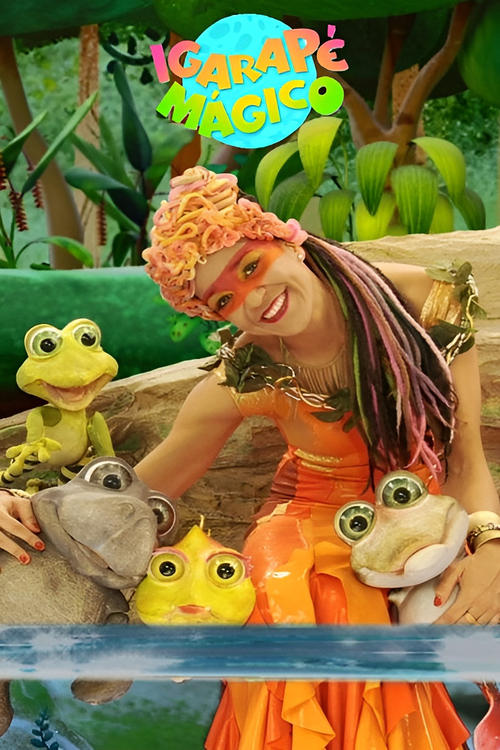 Igarapé Mágico (2014)N/A
Aimed at children, particularly children between the ages of three and six, this series portrays the culture and importance of preserving the Amazonian fauna and flora through the routine of characters typical of the region who live in a stream being represented in the form of dolls.
- O Brasil de Darcy Ribeiro (2014)N/A
 Torneios Brasil (2017)N/A
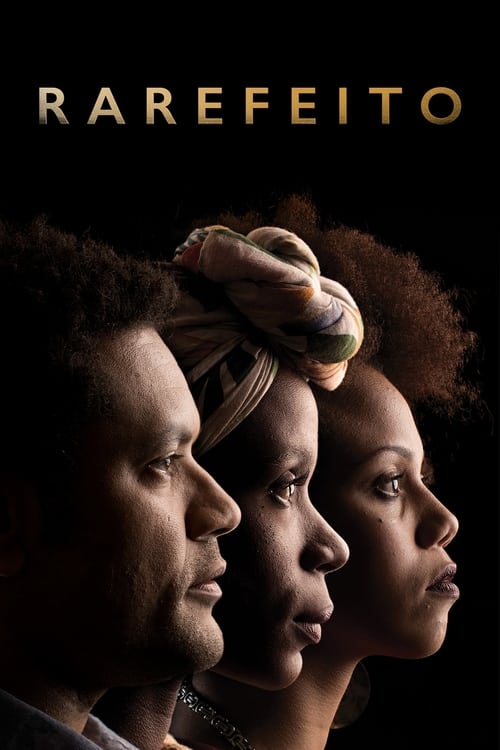 Thin Air (2017)N/A
Cristian Nazario abandoned his family to climb Mount Everest and now returns home with terminal cancer. His homecoming brings to light his troubled family relationship and Brazil’s social situation: he is the fourteenth Brazilian to have climbed Mount Everest, but the first black man among them.
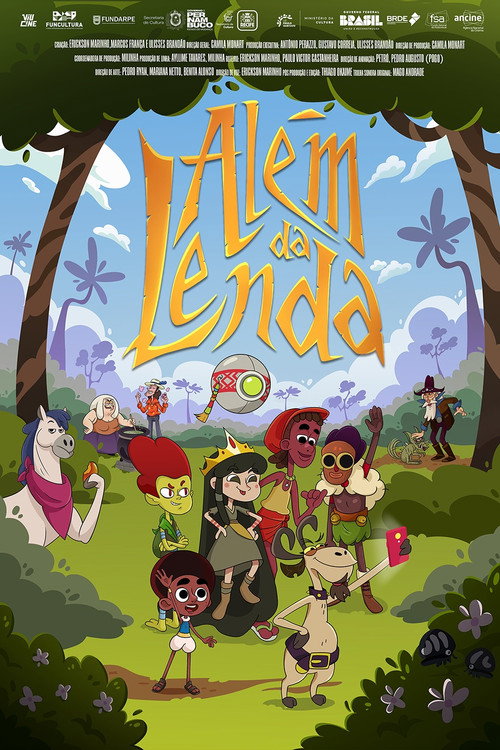 Além da Lenda (2018)N/A
 Pequeno Gigante (2020)N/A
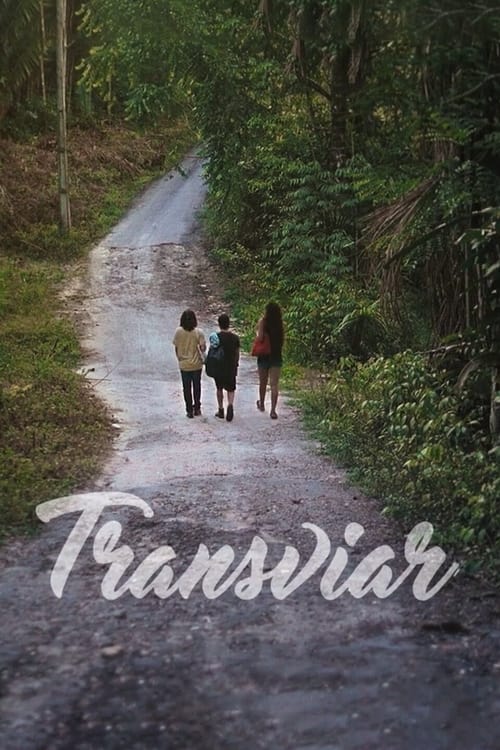 Transviar (2020)N/A
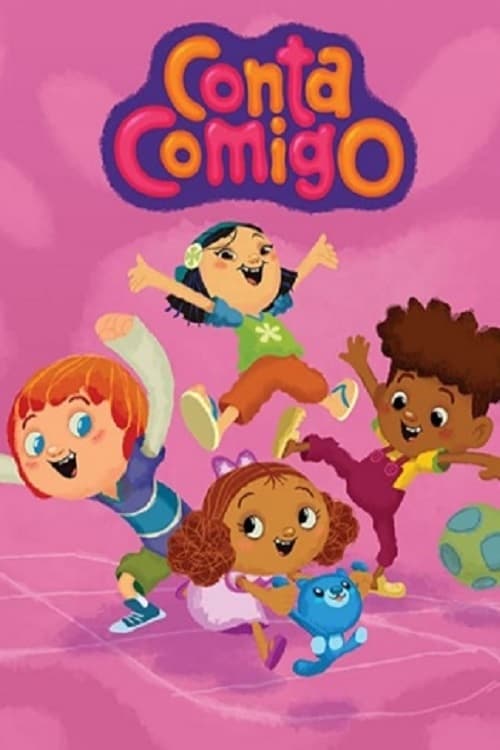 Conta Comigo (2020)N/A
 Brinquedonautas (2022)N/A
- Manual de Sobrevivência da Literatura Brasileira (2024)N/A
 Afiadas (2026)N/A